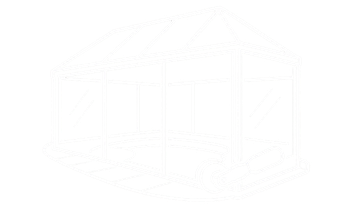

In St Cloud, FL, a screen enclosure is more than a luxury. It has to survive summer thunderstorms, intense sun, and the occasional tropical storm while still keeping bugs and debris out. If you are planning a new screen installation, thinking about storms upfront can save you from frustrating damage and surprise repairs later.
At St Cloud Screening, we install and repair screen enclosures across the St Cloud area. Over time, we have seen what holds up in Central Florida weather and what fails as soon as the first strong storm rolls through. This guide walks you through the storm-readiness details that matter most for your next screen installation.
Why storm-ready design matters in St Cloud
St Cloud sits in the path of frequent afternoon storms and seasonal tropical systems. High winds, driving rain, and airborne debris all hit your pool cage, patio screen, or screened porch directly.
When your screen installation is designed with storms in mind, you benefit from:
• Fewer torn panels and blown-out sections after windy days. • A stronger frame that is less likely to twist, lean, or loosen over time. • Better protection for your doors, windows, and patio furniture. • Lower long-term repair costs and a longer life for the structure.
A basic enclosure that looks fine on a calm day may not be built for the real conditions we get in St Cloud. Storm-ready design starts with the structure you cannot see at a glance.
The role of the aluminum frame and anchors
The frame is the backbone of any screen installation. For storm performance, the quality and layout of this frame are critical.
• Aluminum thickness: Heavier-gauge aluminum resists bending and flexing in high winds. In open or exposed St Cloud yards, upgrading the post and beam thickness can make a noticeable difference in durability. • Post spacing: Long, uninterrupted walls of screen can act like a sail. Strategic post spacing and horizontal chair rails help break up wind loads, giving your enclosure more stability. • Anchors to concrete: Posts and base plates must be properly anchored into a solid slab or footer. Shallow, undersized anchors are one of the most common weaknesses we see when storm damage occurs. • Connection to the home: Where the enclosure ties into your fascia or wall, the fasteners and sealants need to be chosen for both strength and water resistance.
During a site visit in St Cloud, we evaluate how exposed your property is, the age and condition of your slab or deck, and any existing structural tie-ins so we can design the frame properly for your situation.
Screen materials that handle wind and debris
Storm-readiness is not only about the metal frame. The screen material itself affects how your enclosure behaves in bad weather.
• Standard insect screen: A solid everyday option, but in more exposed areas it can stretch or tear if debris hits it at high speed. • No-see-um screen: Its tighter weave offers better bug protection, but it can also catch more wind. A stronger frame and careful panel layout help compensate for this. • Pet-resistant screen: Thicker and heavier, this material often holds up better when twigs or small debris hit the surface, reducing the chance of instant tearing. • Specialty storm-resistant screens: In some designs, more durable meshes can be used in key locations to minimize damage in the areas that take the most wind.
We often recommend mixing screen types on the same enclosure. For example, standard or no-see-um mesh for most walls, with more durable or pet-resistant material in lower panels where storm-blown debris and pets are most likely to cause damage.
Roof style and panel layout for wind and rain
The roof of your screen enclosure catches a lot of wind and rain during St Cloud storms. The way it is shaped and paneled can either help or hurt storm performance.
• Roof shape: Simple shed or gable roofs tend to shed wind more predictably than complex shapes when designed correctly. Mansard roofs are common on pool cages but need proper bracing. • Panel size: Very large roof panels are more vulnerable to sagging or blowing out over time. Breaking the roof into appropriately sized sections with enough support beams helps distribute loads. • Water management: Gutters, drip edges, and slopes all affect where water ends up. A roof that sheds water correctly is less likely to create pooling or erosion around the base of your enclosure.
When we design a new screen installation, we look at how your home’s existing roofline interacts with the new structure so both wind and water are managed safely.
Preparing your slab and surroundings before installation
A storm-ready enclosure in St Cloud starts with what is under and around it.
• Concrete condition: Cracked, hollow, or crumbling slabs make poor anchor points. Before installation, we check your patio or pool deck and may recommend spot repairs or new footers where posts will land. • Drainage around the base: Standing water softens soil and can cause undermining around footers. Proper grading and, if needed, added drains help move water away from the structure. • Trees and landscaping: Overhanging limbs and shrubs pressed against the screen are frequent causes of storm damage. Trimming trees and keeping plants off the screen surface reduces the chance of tears and dents.
Taking care of these issues before installation gives your new screen system a better chance of staying solid through harsh weather.
Permits, engineering, and local expectations
In and around St Cloud, larger structural screen enclosures may require permits and sometimes engineered drawings. While it can feel like extra red tape, these steps are part of building a storm-ready structure.
• Engineering for wind loads: Engineered designs confirm that posts, beams, fasteners, and anchors are properly sized for expected wind speeds in our region. • Code-compliant fasteners: Using corrosion-resistant screws and bolts designed for outdoor structural use helps the enclosure remain strong even after years of humidity and rain. • Inspection checkpoints: When permits are required, inspections help verify that anchors, connections, and framing are installed as planned.
Working with a contractor who understands St Cloud and Osceola County requirements means your screen installation is not just attractive, but also verified for safety.
Maintenance habits that protect your storm-ready enclosure
Even the best-designed screen installation needs some routine attention, especially in a storm-prone city like St Cloud.
• Post-storm inspections: After strong storms, walk around your enclosure and look for loose screws, bent members, or small screen tears before they grow. • Gentle cleaning: Rinse frames and screens with a hose to remove salt, pollen, and dirt that can speed up corrosion. • Hardware checks: Test doors, latches, and closers periodically. If a door does not close properly, wind can grab it and twist the frame during bad weather. • Trimming greenery: Keep new growth from trees and shrubs off the screen walls and roof.
Staying ahead of small issues is one of the simplest ways to keep your enclosure ready for whatever the season brings.
How St Cloud Screening designs for storms
Every property in St Cloud is a little different. Some homes are sheltered by neighboring houses and trees, while others sit on open lots or near lakes where wind hits harder. When we design and install a new screen system, we take these local conditions into account.
During your consultation, we will walk the yard, note wind exposure, check your slab, and talk through screen materials and framing options that make sense for your location and budget. The goal is a screen installation that looks great on calm days and stands strong when the sky turns dark.
If you want a storm-ready screen installation for your St Cloud home, reach out to St Cloud Screening to schedule a visit. We will help you create an outdoor space that is comfortable in everyday weather and built with storms in mind.